AI-Powered Software Development: Redefining the Future of Engineering
Artificial Intelligence (AI) is transforming software development from a manual, code-centric process into a dynamic, intelligent collaboration between humans and machines. In 2025, AI-powered software development is no longer experimental—it’s foundational. Developers across industries are leveraging AI tools to accelerate workflows, improve code quality, and reduce time-to-market.
What Is AI-Powered Software Development?
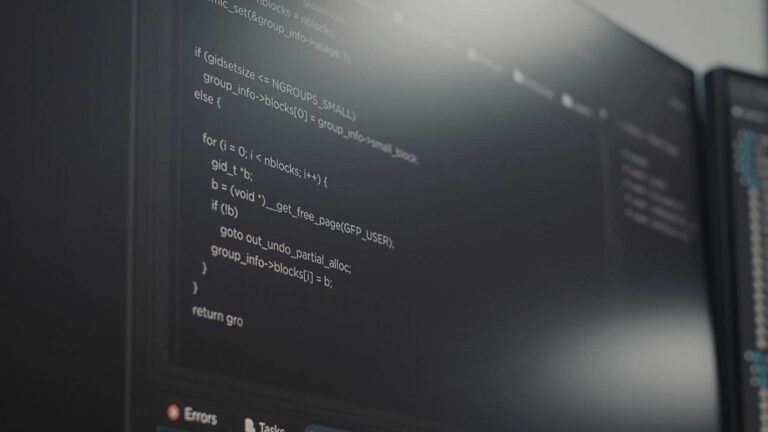
AI-powered software development refers to the integration of machine learning models and intelligent systems into the software engineering lifecycle. These tools assist with tasks such as code generation, debugging, testing, documentation, and deployment. Popular platforms like GitHub Copilot, Replit Ghostwriter, and Claude Code use large language models trained on vast code repositories to provide real-time suggestions and context-aware completions directly within integrated development environments (IDEs).
Key Benefits of AI in Development
- Faster Coding and Prototyping
AI tools can generate boilerplate code, complete functions, and even scaffold entire modules based on natural language prompts. This drastically reduces the time required to build prototypes and iterate on features. - Improved Code Quality
AI systems can detect bugs, suggest refactors, and enforce coding standards. They also generate unit tests and identify edge cases, helping teams catch issues early in the development cycle. - Smarter Debugging and Maintenance
AI can analyze logs, trace errors, and recommend fixes by learning from historical data. This shortens debugging sessions and improves long-term maintainability. - Enhanced DevOps and Automation
In CI/CD pipelines, AI predicts deployment risks, automates rollback strategies, and optimizes resource allocation. It also supports anomaly detection in production environments.
Real-World Applications
AI-powered development is being adopted across a wide range of domains:
- Web Development: AI assists with responsive design, accessibility improvements, and performance optimization.
- Mobile Applications: Developers use AI to automate UI testing, personalize user experiences, and streamline cross-platform deployment.
- Enterprise Systems: AI supports large-scale applications with intelligent monitoring, predictive analytics, and automated incident response.
Challenges and Considerations
Despite its advantages, AI-driven development introduces new responsibilities:
- Prompt Engineering: Developers must learn to craft effective prompts to guide AI tools accurately.
- Code Review and Validation: AI-generated code must be reviewed for security, efficiency, and compliance with organizational standards.
- Ethical and Legal Risks: Teams must ensure that AI outputs do not violate licensing agreements or introduce biased logic.
The Road Ahead
The future of AI in software development is moving toward deeper integration and autonomy. Personalized AI agents trained on team-specific codebases will offer tailored suggestions. Natural language interfaces will allow developers to describe features conversationally. Autonomous agents may soon manage microservices, monitor performance, and self-heal systems without human intervention.
As AI evolves, the role of the developer will shift from writing every line of code to orchestrating intelligent systems. Developers will focus more on architecture, ethics, and strategic decision-making—guiding AI to build scalable, secure, and innovative solutions.
Conclusion: AI-powered software development is not just a productivity booster—it’s a paradigm shift. Embracing AI as a collaborative partner enables teams to build smarter, faster, and more resilient software in an increasingly complex digital world.